Choosing the Right chemistry tuition for Stronger Foundations
Tailored Chemistry Tutoring for a Winning Edge
Customized chemistry tutoring delivers a clear advantage for students navigating complex scientific concepts. By prioritizing individual learning styles, tutors can develop personalized lesson plans that address individual strengths and weaknesses. This approach not only boosts understanding but also develops confidence. As students interact with targeted exercises and real-world applications, they start to see chemistry in a new light. What is it about this customized method that generates a deeper interest in the subject?
Comprehending Individual Learning Styles
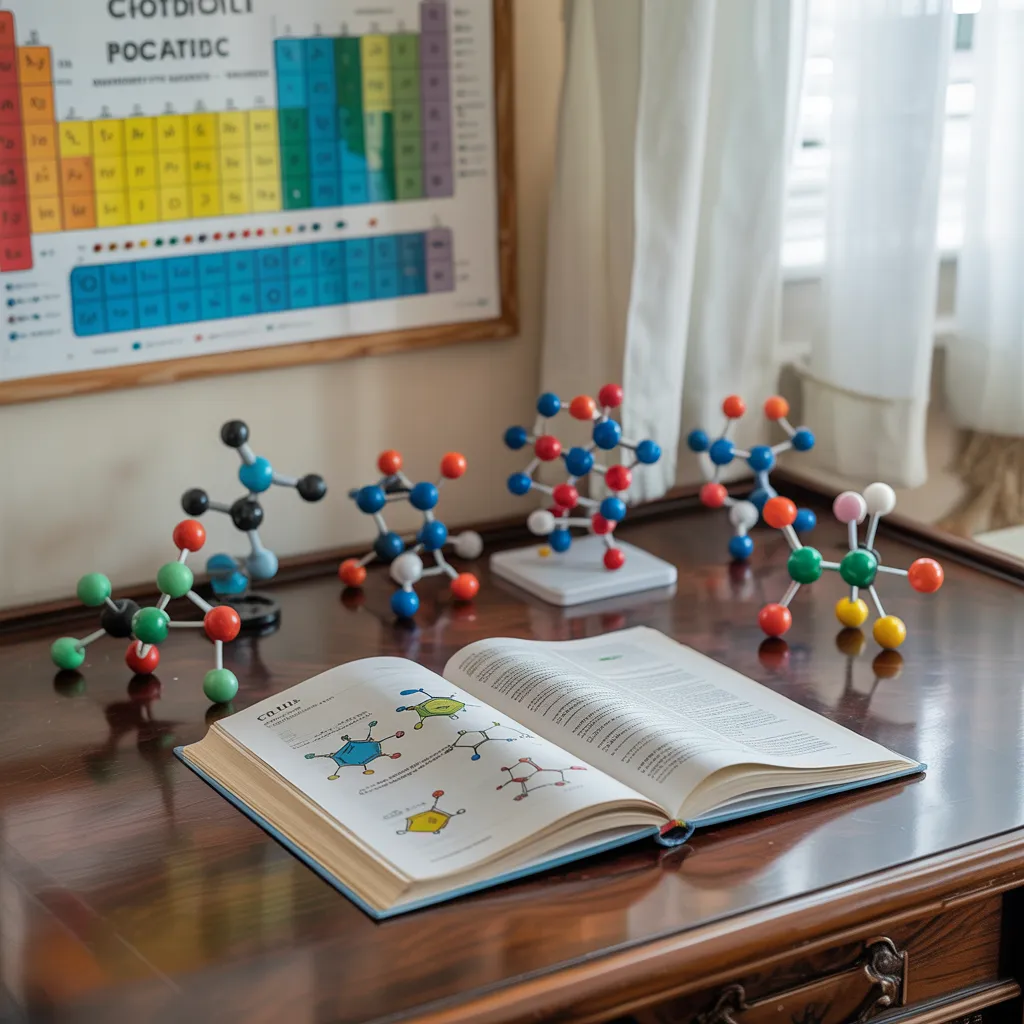
Grasping individual learning styles is crucial for effective chemistry tutoring, as each student processes information differently. These styles can be generally categorized into visual, auditory, and kinesthetic learners. Visual learners thrive with diagrams, charts, and illustrations that depict chemical structures and reactions. Auditory learners flourish when concepts are presented verbally, often understanding complex theories through discussion and lectures. Kinesthetic learners, on the other hand, excel with hands-on experiences, finding it simpler to understand chemical principles through experiments and physical manipulation of materials. Identifying these differences enables tutors to customize their approaches, improving student engagement and comprehension. By identifying a learner's preferred style, tutors can develop a more supportive environment that promotes curiosity and understanding. This adaptability not only enhances retention but also develops a more meaningful appreciation for chemistry, ultimately resulting in improved academic performance and confidence in the subject.

The Significance of Personalized Tutoring
Although conventional teaching methods may work for some students well, personalized tutoring is crucial for tackling the distinct needs of each learner in chemistry. Personalized tutoring offers an opportunity for students to engage with the subject matter at their own pace, allowing for deeper understanding of complex concepts. It cultivates a supportive environment where students can ask questions without hesitation and receive immediate feedback, which is often lacking in traditional classroom settings.
Additionally, personalized tutoring can identify and target specific weaknesses, permitting focused improvement in areas of difficulty. This tailored approach not only enhances comprehension but also cultivates confidence, as students see their progress firsthand. By accommodating multiple learning styles and preferences, personalized tutoring allows students to take ownership of their education, consequently leading to improved academic performance. The relevance of this tailored approach cannot be overstated, particularly in a demanding subject like chemistry, where foundational knowledge is vital for success.
Tailored Study Plans for Successful Learning
Tailored lesson plans play an essential role in fostering successful learning in chemistry, as they cater to the distinct needs and abilities of each student. By analyzing individual strengths and weaknesses, tutors can craft customized instruction that corresponds to students' specific learning styles. This approach empowers students to engage with the material with greater meaning, facilitating greater understanding of complex chemical concepts.
Moreover, tailored lesson plans can incorporate various resources and activities, such as interactive simulations, visual aids, and real-world applications, creating learning more dynamic and stimulating. By creating specific, achievable goals suited to each student, tutors can facilitate monitor progress and adjust content as appropriate, making certain that learners remain motivated yet supported. This adaptive approach not only boosts comprehension but also promotes a positive learning environment, where students feel confident to explore chemistry with confidence, consequently leading to superior academic performance and a greater passion for the subject.
Building Self-Assurance By means of Individual Support
In what ways does personalized chemistry tutoring enhance a student's confidence? One-on-one instruction permits students to examine challenging material at their preferred tempo, developing a stronger grasp of the subject. In a nurturing environment, students can ask questions without fear of judgment, leading to increased clarity and reduced anxiety. The individualized method enables tutors to identify each student's strengths and weaknesses, customizing instruction to expand current understanding while filling knowledge holes.
When students master complex concepts and work through demanding exercises, their confidence increases. The encouragement from a dedicated tutor strengthens their belief in their abilities, inspiring them to tackle more advanced material. This nurturing relationship not only improves academic performance but also cultivates a lifelong love for learning. Eventually, one-on-one support in chemistry tutoring arms students with the self-assurance required to excel in their studies and future undertakings.
Improving Reasoning Skills in Chemistry
Achieving mastery in chemistry problem-solving demands a strategic approach that can be greatly enhanced through targeted tutoring. Effective tutoring sessions focus on the identification of problem types and the application of relevant concepts. Tutors direct students in breaking down complex problems into digestible parts, cultivating a deeper understanding of underlying principles such as stoichiometry, thermodynamics, and chemical kinetics.
In addition, tutors promote the use of visual aids, such as graphical illustrations and diagrams, to make clearer abstract concepts. This strategy not only enhances comprehension but also strengthens retention. By working through diverse problems, students create a flexible problem-solving toolkit, permitting them to handle unfamiliar challenges with certainty.
Additionally, tutors often incorporate practice with both quantitative and qualitative problems, providing a thorough skill set. As students undertake targeted exercises, they enhance their critical thinking abilities, ultimately improving their overall performance in chemistry and preparing them for future academic endeavors.
Preparing for Tests With Individualized Strategies
During preparation for chemistry exams, students profit from personalized study plans that address their specific learning needs. These adapted strategies can incorporate targeted practice exercises meant to reinforce key concepts and improve problem-solving skills. By targeting individual strengths and weaknesses, learners can increase their readiness level and confidence for future assessments.
Personalized Learning Plans
A personalized study plan can greatly enhance a student's preparation for chemistry exams by matching approaches to individual learning styles and strengths. This tailored approach allows students to prioritize key concepts that align with their understanding, promoting deeper comprehension and retention. By assessing each student's unique abilities, a tutor can develop a roadmap that emphasizes challenging topics while incorporating preferred study methods, such as visual aids or interactive discussions. Furthermore, personalized study plans can include precise timelines and milestones, enabling students organize their schedule efficiently and reduce anxiety. Regular evaluations can be implemented to track progress and make necessary adjustments, ensuring that the study plan remains versatile and reactive to the student's evolving needs. Such customization ultimately develops confidence and elevates overall performance.
Targeted Practice Exercises
Drawing from the foundation established by personalized study plans, targeted practice exercises function as a crucial component in preparing students for chemistry exams. These exercises concentrate on specific areas where students may struggle, facilitating concentrated skill development. By employing practice problems that mirror exam formats, students acquire familiarity with question types and develop effective problem-solving strategies. Additionally, targeted exercises can expose common misconceptions and reinforce key concepts, guaranteeing a deeper understanding of the material. Through consistent practice, students can measure their progress, identify weaknesses, and refine their study habits accordingly. Finally, incorporating targeted practice into their preparation enhances students' confidence and performance, providing them a competitive edge in their chemistry examinations.
Nurturing a Lasting Interest in Chemistry
Developing a lifelong enthusiasm in chemistry requires stimulating learning experiences that spark curiosity. By linking concepts to real-world applications, students can see the relevance of chemistry in their day-to-day lives. This approach not only deepens understanding but also cultivates a passion for the subject.
Engaging Development Opportunities
Though numerous students initially view chemistry as an daunting subject, stimulating learning experiences can change this perception, kindling a passion for the sciences. Participatory activities, such as hands-on experiments and collaborative projects, nurture curiosity and stimulate exploration. By integrating games and technology into lessons, tutors can create a dynamic learning environment that grabs students' attention. Furthermore, storytelling and real-world scenarios can make abstract concepts more relatable, strengthening comprehension. When students see the relevance of chemistry in day-to-day life, they are more likely to develop a lasting interest. Finally, these compelling experiences not only improve academic performance but also foster a genuine enthusiasm for chemistry, encouraging students to seek knowledge beyond the classroom.
Real-World Use Cases
Real-life applications of chemistry function as a strong catalyst for sparking student interest in the subject. By connecting theoretical concepts to real-world situations, students can better appreciate the relevance of chemistry in multiple fields, such as medicine, environmental science, and technology. For example, understanding chemical reactions can clarify the processes behind drug development and the importance of clean energy solutions. Furthermore, practical experiments that simulate real-life scenarios can enhance student engagement, making learning more interactive and rewarding. As students investigate these applications, they often build a deeper curiosity about the subject, fostering a lifelong interest in pursuing continued knowledge in chemistry. This connection not only enriches their academic experience but also prepares them for future endeavors in science-related professions.
Popular Questions
What's the Best Way to Find a Certified Chemistry Tutor?
To find a qualified chemistry tutor, one should obtain recommendations, explore online platforms for reviews, validate credentials, and carry out interviews to determine teaching style and compatibility. Personal recommendations usually find out about this produce the most credible options.
How Much Do Customized Chemistry Tutoring Services Cost?
The rate for personalized chemistry tutoring services generally ranges from $30 to $100 per hour, determined by the tutor's expertise, experience, and location. Additional factors may include session length and specialized curriculum requirements.
How Do I Monitor My Progress With a Tutor?
Tracking progress with a tutor involves defining precise targets, routinely examining performance through assessments, maintaining a learning journal, and obtaining feedback. Regular dialogue about obstacles and accomplishments helps facilitate directed and successful learning strategies.
Do Online Tutoring Sessions Work as Well as In-Person Ones?
Virtual tutoring sessions can be just as effective as in-person ones, according to the student's learning preferences and involvement. Each format provide unique advantages, with remote sessions delivering schedule flexibility while physical meetings foster face-to-face interaction and meaningful connection.
Which Resources for Extra Practice Do Tutors Give?
Tutors generally offer a range of resources for extra practice, including practice sheets, online assessments, interactive simulations, and recommended reading materials. Such materials deepen understanding and reinforce learning, empowering students to develop their skills productively beyond sessions.